If you have been feeling a dull, aching pain at the back of your mouth for a few days, your wisdom tooth is probably growing. Is this bad? No! As long as your jaw has enough space and the wisdom tooth is growing properly. If these two conditions are not met, your dentist will probably recommend wisdom teeth removal to prevent further problems. In this post, we will tell you the signs you need wisdom tooth removal and when you should see a dentist. Stay tuned with us.
What Is an Impacted Wisdom Tooth?
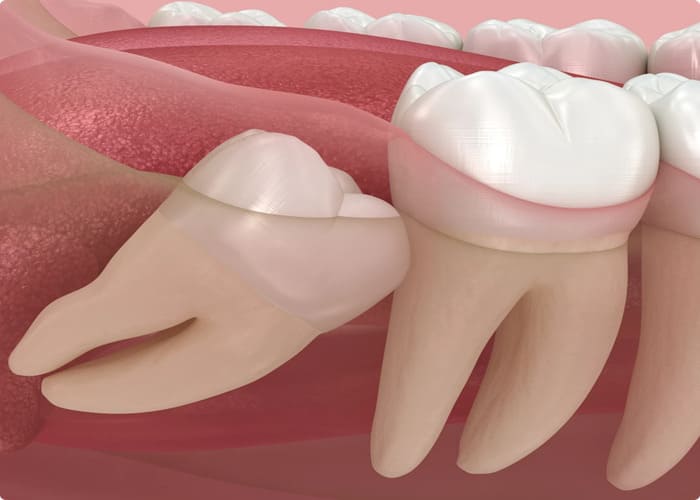
Wisdom teeth are the last teeth to erupt, usually between the ages of 17 and 25. The problem is that most people’s jaws don’t have enough room for these extra teeth. As a result, instead of erupting naturally and fully through the gums, the wisdom tooth gets stuck at the wrong angle, pushes against neighboring teeth, or even gets trapped under the gums.
When this happens, it’s called an impacted wisdom tooth. The important thing to note is that an impacted wisdom tooth doesn’t always have obvious symptoms; sometimes it can cause problems quietly, which is why it’s so important to recognize the early signs.
7 Signs You Need Wisdom Tooth Removal
Your body usually gives you a warning before it becomes serious. You just need to pay attention to the signals it sends. Most of our clients at King West Clinic have the following symptoms, and they are the signs you need wisdom tooth removal:
1. Persistent Pain at the Back of the Mouth

If you feel a constant, nagging pain in the back of your mouth, near your last molar, this is the first and most common symptom. This pain may come and go at times, but if it lasts for more than a few days and gets worse with brushing or eating, it’s time to take it seriously.
Don’t Wait Until the Pain Gets Worse!
An infected or impacted wisdom tooth can affect nearby teeth and lead to more complicated treatment. If you’re noticing persistent pain or swelling, schedule an examination at King West Dentistry. We’re here to discuss your options, answer your questions, and help you book appointments.
2. Swollen, Red, or Bleeding Gums

When a wisdom tooth tries to erupt through the gum, the gum tissue around it becomes tender and inflamed. If you notice bleeding, severe redness, or swelling of the gums at the back of your mouth when you brush or floss, you may be dealing with wisdom tooth eruption.
If you stay on top of regular dental checkups, your dentist may recommend removing your wisdom teeth before they cause any symptoms.
3. Pain or Tightness in the Jaw and Difficulty Opening Your Mouth

If you have a feeling of tightness or pain in your jaw that gets worse when you open and close your mouth, it’s likely due to pressure from your wisdom teeth on the surrounding bone and tissues. So if your dentist tells you that your temporomandibular joint (TMJ) is under pressure, don’t panic! This is a common symptom.
4. Bad Breath or Taste

If you’ve recently noticed bad breath or a strange taste in your mouth that doesn’t go away with brushing, it could be due to an infection around your wisdom teeth. When wisdom teeth don’t come in completely, they create a space under your gums where bacteria and food particles can collect. This can cause a bad smell and taste, which is usually a sign of a developing infection.
5. Headaches or Earaches

A problematic wisdom tooth can also cause headaches or earaches. Because the jaw, ears, and facial muscles are connected, pressure from wisdom teeth can be transmitted to these areas through nerves. If you have a headache or earache for no apparent reason and jaw pain at the same time, the two are likely related.
6. Recurrent Infections (Pericoronitis)

Pericoronitis is an inflammation of the gums around a partially erupted wisdom tooth. This condition usually recurs periodically; that is, it gets better once and then comes back after a while. If you repeatedly experience swelling, pain, and infection in the same area, this is a clear sign that you should see a dentist.
Read More: No Dental Insurance? Affordable Dental Options Toronto Residents
When Should You See a Dentist for Wisdom Tooth Pain?
The general rule is: If you experience any of the signs that you need wisdom tooth removal for more than a few days, or if the pain is so severe that it interferes with your sleep or daily activities, it’s time to consult a dentist. Also, if you have a fever, noticeable facial swelling, or trouble swallowing, these symptoms could be signs of a more serious infection that needs immediate attention.
With a simple examination and sometimes an X-ray, your dentist can tell exactly where your wisdom tooth is and whether it needs to be extracted. This will help you make the right decision before the problem becomes more complicated.
What Happens if You Ignore These Symptoms?
In many cases, when a patient comes to our emergency dentist room, we find out by asking a few questions that they have ignored the symptoms of their wisdom teeth growing improperly for a long time.
For example, untreated infections from wisdom teeth have spread to surrounding spaces such as the cheek, neck, and even the respiratory tract, causing emergency conditions.
Some have also damaged their adjacent teeth due to the constant pressure of the wisdom teeth.
For this reason, we emphasize early treatment to both simplify the treatment process and prevent more serious problems.
What to Expect During Wisdom Tooth Removal
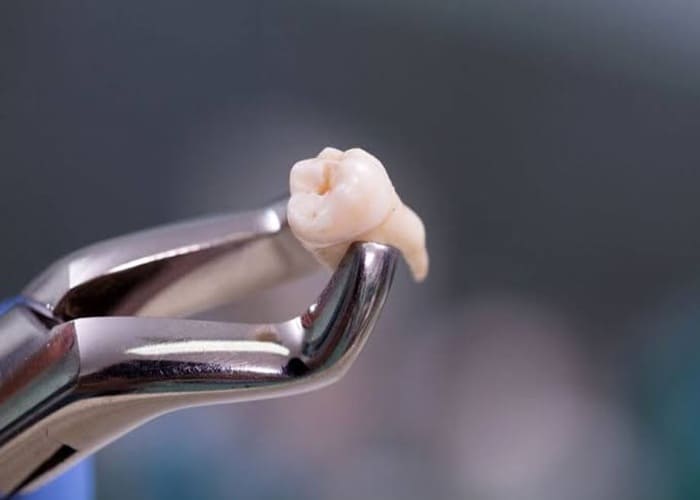
This process usually begins with an examination and X-rays to determine the exact position of the tooth. The extraction process is performed in two ways, depending on the condition of the tooth:
- Simple extraction: If the wisdom tooth is completely erupted and does not have complex roots, the dentist will numb the area and gently remove the tooth with special instruments.
- Wisdom tooth surgery: If the tooth is impacted or partially impacted, the dentist or oral and maxillofacial surgeon will make a small incision in the gum. Sometimes, to make it easier and less traumatic to remove, the tooth is divided into smaller pieces and then removed.
During the surgery, you will not feel any pain, thanks to local anesthesia. Recovery time is usually between a few days and a week, and by following your doctor’s instructions (such as using ice packs and taking prescribed medications), the recovery process is very quick.
Some Tips to Control Pain Before You See a Dentist
If you haven’t had a chance to see a dentist yet and the pain is bothering you, here are some simple tips that can make things a little easier:
- Rinse your mouth with warm salt water several times a day; this will help reduce inflammation and keep the area clean.
- Apply a cold compress to your cheek, near the painful area, to reduce swelling and pain.
- Over-the-counter pain relievers like ibuprofen can temporarily control pain (always take as directed and consult your pharmacist or doctor if necessary).
- Avoid hard, very hot, or very cold foods as much as possible to avoid further irritation.
- Brush your teeth gently and carefully around your wisdom teeth, without applying too much pressure.
These tips are only for temporary relief of discomfort and are not a substitute for a visit to the dentist; so it’s best to view them as a short-term measure.
Read More: How to Find a CDCP Dentist in Toronto: The Smart Way to Get Fast Access
Final Word: Don’t Ignore the Warning Signs
Wisdom teeth are nothing to be afraid of, but if you experience any of the signs you need wisdom tooth removal that I shared with you in this article, it’s best to see a dentist as soon as possible. Timely care will not only prevent pain and possible infections, but also make the treatment process easier and less painful for you.
At King West Dentistry, we provide safe and comfortable tooth extraction for patients of all ages. Visit our tooth extraction page to learn more or book an appointment.
FAQ
At what age do wisdom teeth usually grow in?
Usually between the ages of 17 and 25, but this range can vary slightly from person to person.
Should everyone have their wisdom teeth extracted?
Not necessarily. If the wisdom tooth grows in properly and without pressure on other teeth and is not causing any problems, it may not need to be extracted. The final decision is made by the dentist after an examination.
How many days will it take for me to recover after a wisdom tooth extraction?
The recovery period usually lasts between three and seven days, depending on the individual’s condition and the complexity of the procedure.
Does wisdom tooth pain always mean that it needs to be extracted?
Not always. Sometimes the pain is temporary and caused by the natural pressure of growth. But if the pain is persistent or accompanied by other symptoms, it is best to get it checked out.
Can I have my wisdom tooth extracted without anesthesia?
Usually not; The dentist uses local anesthesia or sedation to make the process comfortable and painless.
Have you ever had a wisdom tooth removed, or are you dealing with any of the symptoms mentioned above? Share your experience or ask your question in the comments; we’d love to hear from you.