“My tooth doesn’t hurt, so there’s nothing wrong with it.” Almost all of us have said this to ourselves, and until we feel pain, we assume everything is normal. However, tooth pain usually starts when decay has reached the deeper parts of the tooth. As a result, the treatment will also be more complicated, time-consuming, and costly, as it may need a root canal therapy combined with other treatments.
But tooth decay has signs before the pain starts. Below, you will learn about these signs and find out exactly when you should visit a dentist.
Signs of Tooth Decay Before Pain Starts
Most patients who visit our office have usually experienced one or more of the following symptoms:
1- Spots on the Tooth
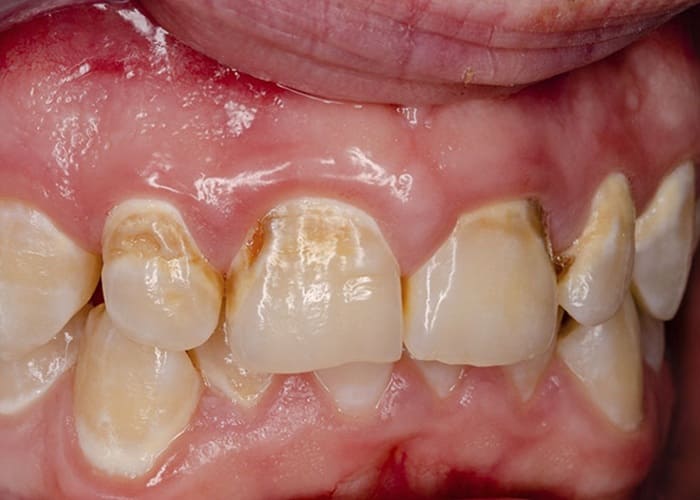
A loss of minerals in the tooth enamel can cause dull, white, brown, or sometimes black spots on the tooth. These spots are usually the first signs of tooth decay.
2- Sensitivity to Cold, Heat, or Sweets

If your tooth briefly hurts when you eat or drink something cold, hot, or sweet, part of the tooth’s protective enamel may have been lost. In this situation, the layer beneath the enamel, known as dentin, which contains channels connected to the tooth’s nerve, becomes more easily irritated.
3- Food Getting Stuck Between the Teeth
Feeling that food is getting stuck between your teeth or needing to floss frequently can be a sign of the beginning of decay between the teeth. This type of decay cannot be seen with the naked eye, and a definite diagnosis requires a dental examination and X-ray.
Think You May Have a Cavity?
Tooth decay can progress before you ever feel pain. If you have noticed a dark spot, sensitivity, or food getting stuck between your teeth, it may be time to have your teeth checked at King West Dentistry. Our dental team can examine your teeth and identify signs of decay before they become a bigger problem.
Call us to book an appointment and get your teeth checked.
4- Changes in the Tooth Surface
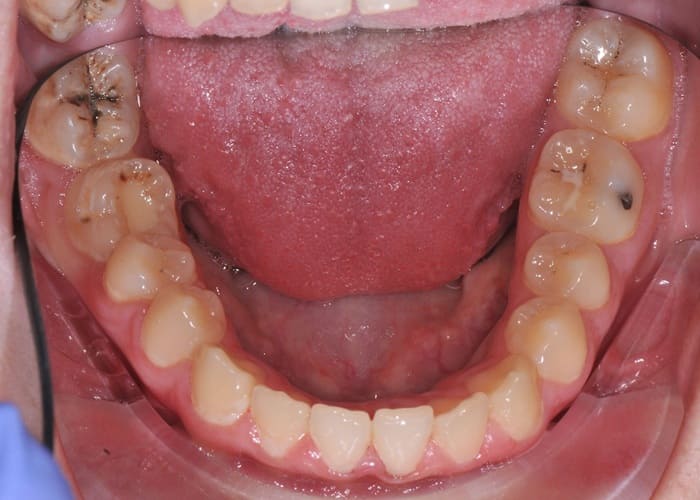
Any indentation, tiny hole, or feeling of roughness on the surface of the tooth can be a sign that decay is progressing and should be checked by a dentist immediately.
Read more: “Iranian Dentist in Toronto: How to Find the Right Persian-Speaking Dentist”
5- Bad Breath or a Bitter Taste
One of the signs of tooth decay is bad breath and an unpleasant taste in the mouth that does not go away even after brushing or flossing. However, this symptom alone is not enough to diagnose tooth decay. If it occurs repeatedly, it is better to have your teeth checked by a dentist for signs of decay.
Why Doesn’t Tooth Decay Always Start With Pain?
Tooth decay begins with the destruction of the tooth enamel. Since tooth enamel does not contain nerve fibers, you do not feel pain during the early stage of decay. When the decay passes through the enamel and reaches the dentin, you may experience mild, brief pain. However, severe and throbbing pain starts when the decay has reached the tooth’s nerve.
Who Is More at Risk of Tooth Decay?
Some people are more prone to tooth decay due to their lifestyle, physical condition, or daily habits.
- People who constantly eat sugary snacks, drink soft drinks, or eat sticky foods such as gummy candies throughout the day have teeth that are continuously exposed to acid.
- People who do not brush their teeth regularly and neglect flossing.
- People who experience dry mouth due to certain medications, aging, or underlying health conditions.
- People who have deep grooves on the surface of their molars.
- People who have crooked or overlapping teeth.
- People who have braces or orthodontic appliances.
- People with partially erupted or impacted wisdom teeth, as these teeth can be difficult to clean properly and may be more prone to decay. In some cases, wisdom teeth removal may be recommended.
Ways to Prevent Tooth Decay

By following a few simple habits, you can reduce the chance of developing tooth decay:
- Brushing: Brush your teeth twice a day for two minutes. Use fluoride toothpaste.
- Flossing: Floss once a day, preferably at night.
- Reducing sugary foods: It is better to eat sugary foods with your main meals instead of between meals, so the number of times your teeth are exposed to sugar and acid is reduced.
- Regular checkups: Even if you feel that your teeth are completely healthy, visit a family dentist in the City Center for a checkup every six months.
What Should You Do If You Notice Signs of Tooth Decay?
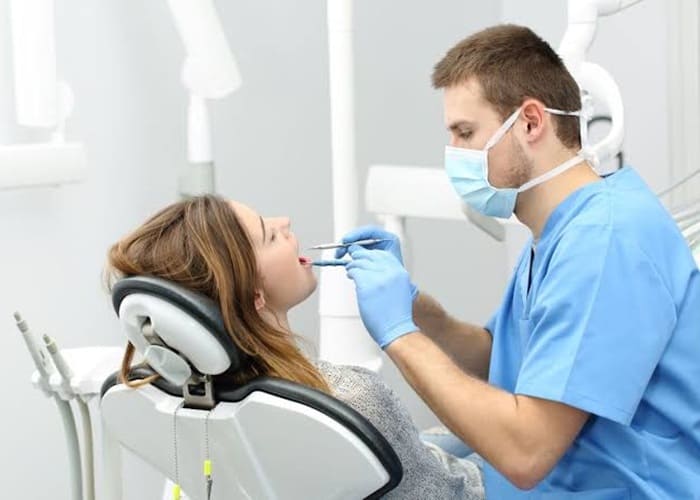
If you notice any signs of tooth decay, do not wait for the pain to start and visit a dentist as soon as possible. The dentist will choose the appropriate treatment based on the stage of the decay.
Fluoride Treatment
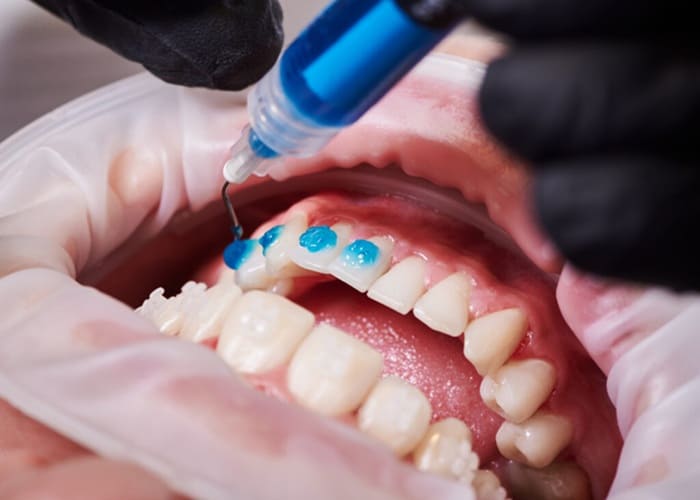
If the decay is in its early stage and appears as a white spot, with no cavity having formed in the tooth yet, the dentist can use fluoride to strengthen the tooth enamel and help restore its minerals. Fluoride treatment is usually performed in 2 to 4 sessions and helps stop the decay and prevent it from progressing.
Composite Dental Restoration
When decay has caused a small cavity in the tooth, the dentist removes the decayed part and fills it with tooth-colored composite. This treatment is usually completed in one session.
Conclusion
As you can see, tooth decay usually does not start with pain. Instead, it first appears through signs such as spots on the teeth, sensitivity to cold and heat, or food getting stuck between the teeth. Therefore, paying attention to these daily signs, following preventive methods, and having regular six-month checkups can help you prevent tooth decay from progressing.
If you think your tooth has become so damaged that it may need to be removed, we also provide tooth extraction in Downtown Toronto at our office. The procedure is performed using modern techniques to make the extraction as safe and comfortable as possible.
FAQ
1. Can tooth decay exist without any symptoms?
Yes. Tooth decay may not cause any noticeable symptoms in its early stages, especially if it develops between the teeth. For this reason, regular dental examinations can help identify decay that has not yet caused any symptoms.
2. Can tooth decay stop on its own?
If the decay is still only in the form of a white spot on the tooth and has not caused a cavity, saliva and fluoride can help replace some of the minerals lost from the enamel and stop the decay process.
3. Should I brush my teeth immediately after drinking an acidic beverage?
No. The acid in the beverage temporarily softens the tooth enamel, and brushing immediately afterward can damage the teeth. It is better to first rinse your mouth with water and wait about 30 to 60 minutes before brushing your teeth.
4. What is the difference between stains caused by tea and coffee and stains caused by tooth decay?
Stains from tea, coffee, and some foods usually form on the surface of the teeth and can be removed by brushing or professional cleaning. However, stains caused by tooth decay are related to changes in the tooth structure and cannot be removed by brushing or professional cleaning. Early tooth decay usually appears as a dull, chalky spot, and it becomes darker as the decay progresses.
5. Are children more at risk of tooth decay than adults?
Yes. The enamel of baby teeth is thinner and more vulnerable than the enamel of permanent teeth. Therefore, tooth decay in children can progress more quickly and may require more attention.
Have you ever noticed a sign of tooth decay before your tooth actually started hurting? Share your experience or questions in the comments below!