If you’ve had root canal treatment before and now the same tooth is hurting again, it’s natural to worry and wonder if the previous treatment wasn’t successful or if the tooth can’t be saved. But in many cases, it’s still possible to save your tooth with root canal retreatment. In this article, we’ll explain in simple terms what this treatment is, when it’s needed, and what to expect, especially if you’re in Toronto.
What is Root Canal Retreatment?

Root canal retreatment is the process of re-examining and treating a tooth that has already had a root canal treatment. The goal is simple: to preserve the natural tooth and eliminate any infection or problems that may have remained or recurred after the original treatment. When your dentist recommends retreatment, it means there’s still a good chance that the tooth can be saved.
The important thing to note is that root canal retreatment doesn’t always mean that the original Root Canal Therapy was “bad”; Sometimes the structure of the tooth is more complex than it seems, and narrow, curved, or hidden canals can make the job difficult.
Need Expert Care for Your Tooth Pain?
Not sure if you need treatment or retreatment?, our team at King West Dentistry is here to help you make the right decision and protect your natural smile. We provide advanced diagnosis and treatment options, including Root Canal Retreatment and Apicoectomy when needed.
Why Is the First Root Canal Treatment Sometimes Not Enough?
The fact is that the anatomy of the human tooth is very complex and delicate. Even with the high skill of the dentist, there are various reasons why the first treatment fails after a while.
Hidden or Curved Canals
Sometimes your tooth has very narrow, branched, or completely hidden canals that were not seen during the first treatment, allowing bacteria to accumulate there.
Delay in Installing a Crown
If you wait too long to place a crown or final filling after root canal treatment, saliva and bacteria can easily penetrate the tooth and cause re-infection.
Incomplete Sealing of the Crown
If the crown placed on your tooth is not of the required quality or becomes loose over time, the tooth’s protective barrier breaks down, creating a pathway for bacteria to enter.
New Tooth Decay
Even if the first root canal treatment was completely successful, new decay developing in another part of the same tooth can allow infection to spread deeper into the root canals.
Cracked or Broken Tooth
A sudden impact or chewing very hard foods can create tiny cracks in the tooth that are invisible to the naked eye but provide an ideal route for bacteria to enter.
What Symptoms Indicate That You May Need Root Canal Retreatment?

If a tooth that has already undergone root canal treatment starts causing discomfort again, it should not be ignored. The following symptoms may indicate the need for root canal retreatment:
- Pain when chewing or biting
- Sensitivity to hot or cold temperatures
- Swelling or tenderness in the gums around the treated tooth
- A pimple-like bump or abscess on the gum
- Persistent throbbing, pressure, or discomfort in the same area
- Recurring infection or drainage near the tooth
Note: Not every case of tooth pain means retreatment is necessary, as the issue may be related to the gums or a neighboring tooth. However, any of these symptoms should be evaluated by a dental specialist as soon as possible to determine the underlying cause.
How Does a Dentist Determine If Retreatment Is Needed?
dentist will first review your medical history and symptoms, then examine your teeth and gums and use X-rays to assess the condition of the root, surrounding bone, and previous restorations. In some cases, CBCT imaging is also used to more closely examine hidden canals or possible cracks. These examinations help the dentist identify the root cause of the problem and choose the most appropriate treatment method.
These steps are important because not every pain or infection necessarily leads to retreatment. An accurate diagnosis helps make the best decision for your tooth.
How are the Root Canal Retreatment Steps Performed?
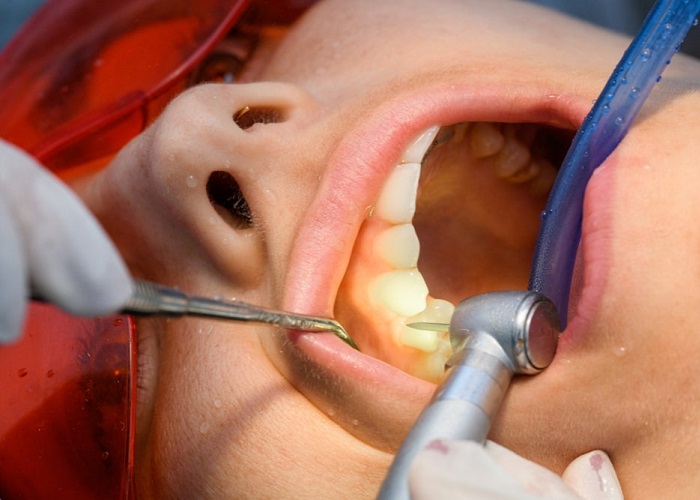
This process is not much different from the first root canal and, thanks to modern local anesthetics, is completely painless. Let’s review the steps together:
- Accessing the Root Canals: The dentist numbs the tooth, isolates it with a rubber dam, and creates access to the root canals.
- Removing Old Filling Material: Previous root canal filling material is carefully removed using specialized instruments.
- Cleaning and Disinfecting: The canals are thoroughly cleaned, disinfected, and checked for hidden canals or remaining infection.
- Refilling the Canals: The cleaned canals are sealed with new filling material to prevent reinfection.
- Final Restoration: A filling or crown is placed to restore and protect the tooth.
When is Root Canal Retreatment Not the Best Option?
We always want to save your natural tooth, but sometimes being realistic is best. In the following situations, your dentist may not recommend a root canal and may consider other options:
- If your tooth is fractured or cracked vertically from the top to the root, it is no longer salvageable.
- If the bone around the tooth has been lost due to severe gum disease and the tooth is loose, root canal treatment is not beneficial.
- If a large portion of the tooth’s upper structure has been lost due to severe decay and cannot be covered with a crown.
In these cases, extraction and replacement with a dental implant may be the best and most logical solution.
What Aftercare Is Needed Following Root Canal Retreatment?
After retreatment, following your dentist’s instructions can help support healing and reduce the risk of complications:
- Avoid chewing on the treated side until the tooth has fully healed.
- Stay away from hard, crunchy, or sticky foods that can put pressure on the tooth.
- Maintain good oral hygiene by brushing and flossing regularly.
- Take any prescribed medications exactly as directed.
- Attend all follow-up appointments recommended by your dentist.
- Do not delay getting a permanent crown if one is needed to protect the tooth.
Does Dental Insurance Cover Root Canal Retreatment in Toronto?
The good news is that many dental insurance companies in Toronto cover a portion of the cost of root canal retreatment. The amount of coverage depends on the type of insurance and the terms of the contract, so it is best to ask the clinic to send a pre-determination to your insurance before treatment to determine your share of the cost.
Read more: How to Find a CDCP Dentist in Toronto
See a Specialist and Protect Your Smile
It is natural to be concerned if you experience pain, swelling, or sensitivity again after root canal treatment, but this does not necessarily mean that you will lose your tooth. In many cases, root canal retreatment can save the tooth, while procedures such as Apicoectomy, a surgical solution we offer in King Wes Dentistry, may be considered when retreatment is not suitable. If you are experiencing recurring symptoms, schedule an evaluation promptly so we can assess your case and recommend the best treatment option for your tooth.
FAQ
How long is pain or sensitivity considered normal after a root canal retreatment?
Mild sensitivity or discomfort for a few days is normal, but if the pain is severe or lasts for more than a couple of weeks, you should consult your dentist.
Is it possible for a tooth to become infected again after retreatment?
Yes, although the risk is low; factors such as tooth fractures, leakage in the restoration, or complex root canal anatomy can lead to reinfection.
What is the difference between retreatment and an apicoectomy, and how does the dentist decide between them?
Retreatment is performed inside the root canal, while an apicoectomy is a surgical procedure that removes the tip of the root and is usually recommended when retreatment is not successful or not possible.
When should the final crown be placed after a root canal retreatment?
The timing depends on the condition of the tooth, but dentists usually recommend placing the final crown as soon as healing is confirmed and the treatment is completed.
Have you ever experienced tooth pain after a root canal treatment? Share your experience or questions in the comments, we’d love to hear from you and help you better understand your options.