Tooth loss affects more than appearance or chewing ability; it also changes how we speak. Teeth play a critical role in guiding airflow, supporting tongue positioning, and helping produce clear sounds. When teeth are missing, pronunciation, confidence, and everyday communication can all be affected, which is why choosing the right tooth replacement matters.
Many patients researching implants vs dentures speech differences want to know one simple thing: Will I sound normal again? Modern dentistry offers multiple solutions, but dental implants and dentures influence speech in very different ways. In this guide, we explain the science behind speech changes, compare both options realistically, and outline what patients can expect during adaptation and long-term recovery.

Why Tooth Replacement Affects Speech
Speech is a coordinated process involving teeth, lips, tongue, jaw movement, and airflow control. When natural teeth are lost, the oral environment changes, forcing muscles and pronunciation patterns to adapt. This is why implants vs dentures speech outcomes can differ significantly, as each tooth replacement option influences stability, tongue positioning, and airflow in unique ways. Understanding these mechanics helps explain why different solutions produce different speech results.
Below, we explore the biological reasons speech changes occur and how oral structures contribute to clear communication.
Role of Teeth in Pronunciation
Teeth help form consonant sounds such as “S,” “F,” and “T” by providing contact points for the tongue and lips. Without proper tooth structure, airflow escapes differently, which can create slurred or whistling sounds.
A well-designed tooth replacement restores these contact points, allowing speech articulation to return closer to natural pronunciation patterns over time.
Tongue and Airflow Interaction
The tongue relies on predictable surfaces inside the mouth to guide sound production. Changes caused by removable prosthetics or missing teeth can disrupt airflow control, forcing the brain to relearn speech movements.
This adaptation explains why some patients initially notice altered speech after receiving dentures or undergoing a dental implant procedure.
Jaw Stability and Phonetics
Stable jaw positioning supports consistent speech rhythm and sound clarity. When prosthetic teeth move during talking, pronunciation becomes less precise.
Fixed restorations improve oral biomechanics, helping maintain airflow consistency and supporting clearer speech intelligibility.
Read more: “Top 5 Benefits of Dental Implants”
How Dentures Affect Speech
Dentures remain a widely used tooth replacement solution, but because they are removable, they introduce new surfaces and movement patterns inside the mouth. These changes can impact implants vs dentures speech, requiring an adjustment period as muscles relearn coordination and adapt to the prosthetic.
Movement and Slipping During Speech
Traditional dentures rest on gum tissue rather than being anchored to bone. Even well-fitted appliances may shift slightly while speaking, especially during fast conversation.
This movement can interrupt airflow control, contributing to common dentures speech problems such as clicking sounds or mild pronunciation difficulty.
Palate Coverage and Sound Distortion
Upper dentures often cover part of the palate, altering how sound vibrations resonate in the mouth. Because the tongue senses this new surface, speech patterns must adjust.
Patients may initially feel their speech sounds different to themselves, even though listeners notice only minor changes.
Adaptation Period for New Denture Wearers
Speech improvement with dentures usually occurs gradually. Muscles and nerves adapt through repetition as the brain develops new neuromuscular coordination.
Reading aloud, practicing difficult sounds, and consistent wear typically help accelerate adaptation during early oral rehabilitation.
Common Pronunciation Difficulties
Certain sounds, especially “S,” “Sh,” and “Th” may feel challenging at first because they require precise tongue positioning. Excess saliva production during early use can also temporarily affect speech rhythm.
With time and proper adjustments, most patients regain comfortable communication, though stability differences remain when comparing implants vs dentures speech outcomes.
Having Trouble Speaking Comfortably With Implants or Dentures?
If you’re experiencing pronunciation difficulties or discomfort while speaking with dentures or dental implants, you don’t have to manage it alone. Our professional team at King West Dentistry can evaluate your oral function, adjust your restoration, and help restore clear, confident speech. Book your appointment today and take the next step toward comfortable communication.
Read more: “Has Anyone Had a Failed Dental Implant?”
How Dental Implants Influence Speech
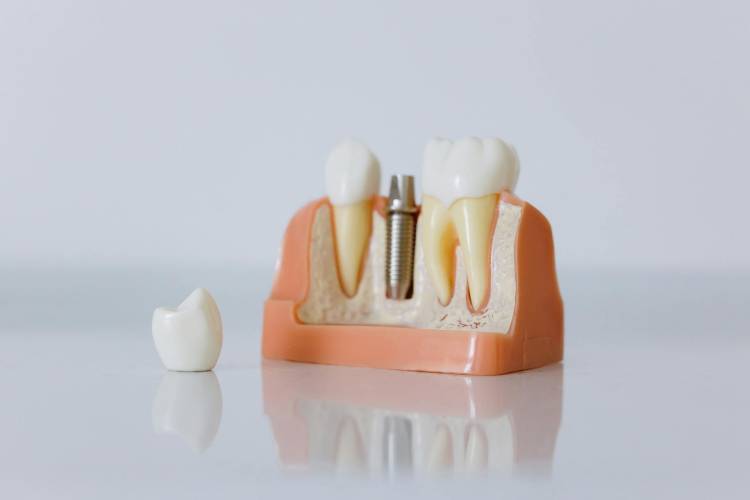
Unlike removable prosthetics, dental implants function as fixed tooth replacements anchored directly into the jawbone. This structural stability closely mimics natural teeth and often leads to more predictable speech outcomes.
The following aspects explain why implants often feel more natural during conversation.
Implant Stability and Natural Speech
Because implants integrate with bone through osseointegration, they remain stable during speaking and chewing. This eliminates movement that can interfere with pronunciation.
Patients frequently report that speaking with dental implants feels similar to talking with natural teeth once healing is complete.
Improved Tongue Positioning
Implant restorations do not cover the palate, allowing the tongue to move freely. Natural spatial awareness inside the mouth improves airflow precision and phonetic accuracy.
This stability supports clearer articulation and contributes to noticeable speech improvement after implants.
Confidence During Conversation
Speech confidence plays a major psychological role. Patients worried about dentures slipping may speak more cautiously or avoid social situations.
Implants restore confidence by providing fixed support, allowing natural speech rhythm and relaxed communication.
Long-Term Speech Adaptation
Although mild adjustment may occur initially, most implant patients adapt quickly because oral proprioception remains closer to natural function.
Studies comparing implant-supported prostheses and removable dentures consistently show that implant-supported solutions improve speech intelligibility.\

Implants vs Dentures Speech Comparison
Understanding implants vs dentures speech differences requires looking beyond comfort alone. Stability, biomechanics, and adaptation all influence communication quality.
Below is a practical comparison based on clinical findings and patient experience.
Stability Differences
Dentures rely on suction and soft-tissue support, while implants anchor in bone. This difference significantly affects oral stability during speech.
Greater retention allows implant-supported teeth to remain steady even during rapid conversation or expressive speaking.
Pronunciation Clarity
Because implants preserve natural tongue space, pronunciation often feels more intuitive. Dentures may require conscious adjustments before speech feels normal again.
This is why many patients researching dentures vs implants comparison prioritize communication ability alongside chewing performance.
Learning Curve
Denture wearers typically experience a longer adaptation phase, especially during the first weeks. Implant patients often adapt more quickly due to the fixed positioning.
However, individual outcomes depend on anatomy, appliance design, and professional adjustments.
Comfort and Confidence
Speech clarity improves when patients feel secure. Reduced anxiety about movement or slipping allows more natural expression.
For many individuals, improved speaking confidence becomes one of the most meaningful benefits of implant-supported tooth replacement.
How Long Does Speech Adjustment Take?
Every patient experiences a unique adaptation timeline after tooth replacement. Speech changes are temporary and improve as muscles relearn coordination.
During the first weeks, the brain undergoes neuromuscular adaptation, adjusting tongue positioning and airflow patterns. Practice through conversation and reading aloud helps accelerate normalization.
According to clinical research published in the National Center for Biotechnology Information, implant-supported prostheses demonstrate improved speech intelligibility compared with removable dentures due to enhanced stability and oral control.
Most patients regain comfortable speech within several weeks, though minor refinements may continue as oral muscles fully adapt.
Who Benefits Most From Implant-Supported Solutions?
Not every patient experiences speech challenges equally. Certain individuals benefit more significantly from implant-supported treatments.
Long-term denture wearers with instability often notice immediate improvements in communication after transitioning to implants. Patients with significant bone loss may also experience enhanced jaw stability when implants restore structural support.
A personalized evaluation, including a dental exam and cleaning, helps dentists determine whether implants, fixed bridges, or other restorative options best support speech and oral function goals.
Our Philosophy on Comprehensive Dental Care
At King West Dentistry, treatment planning begins with understanding each patient’s functional needs, not just cosmetic goals. While this article explains general concepts, every smile requires individualized evaluation.
Our clinic provides comprehensive services ranging from preventive care and teeth whitening to advanced restorative solutions such as porcelain crowns, porcelain veneers, and implant rehabilitation. Recommendations are always based on oral health condition, lifestyle, and long-term stability rather than a one-size-fits-all approach.
Conclusion
Speech clarity is closely connected to stability, comfort, and oral biomechanics. When tooth replacement restores proper airflow control and jaw support, communication becomes effortless again.
Understanding implants vs dentures speech differences allows patients to make informed decisions that support both confidence and long-term oral function. Whether choosing removable prosthetics or implant-supported restorations, professional guidance ensures treatment aligns with personal goals and healthy communication outcomes.
FAQ
1. Do dental implants improve speech?
Yes. Because implants remain fixed in the jaw, they often allow more natural pronunciation and more stable airflow than removable appliances.
2. Are dentures harder to talk with?
Initially, yes. Dentures may alter tongue positioning and airflow, but most patients adapt with practice and professional adjustments.
3. How long does speech adjustment take?
Many patients adapt within a few weeks, although complete comfort develops gradually as muscles relearn coordination.
Have you noticed changes in your speech after getting dentures or dental implants? Share your experience or questions in the comments; we’d love to hear from you and help others learn from real patient experiences.