
When a tooth is missing, choosing the right replacement matters far beyond appearance. Modern dentistry offers reliable tooth-replacement options, but patients often face a key decision: implants or bridges. While both can restore function and aesthetics, the real difference becomes clear over time, especially when a single dental implant is compared to multi-tooth restorations.
A long-term comparison matters more than the upfront price alone. Factors such as durability, bone health, maintenance needs, and overall value play a major role in long-term oral health. In this article, we’ll explore implants vs bridges from a clinical, evidence-based perspective, comparing their performance over years, not just months, to help patients make informed decisions with confidence.
Understanding Dental Implants and Dental Bridges
Both treatments aim to restore missing teeth, but they do so in very different ways. Understanding how each option works is essential when comparing implants vs bridges, as it clarifies long-term outcomes and explains why dentists often recommend one approach over the other depending on the situation.
What Is a Dental Implant?
A dental implant is a titanium post placed into the jawbone to replace the root of a missing tooth. Over time, it fuses with the bone through a process called osseointegration, creating a stable foundation for a restoration such as a dental crown.
Because implants replace the tooth root itself, they help maintain jawbone structure and closely mimic the function of natural teeth. This approach is often recommended for patients seeking long-term tooth replacement with minimal impact on surrounding teeth.
What Is a Dental Bridge?
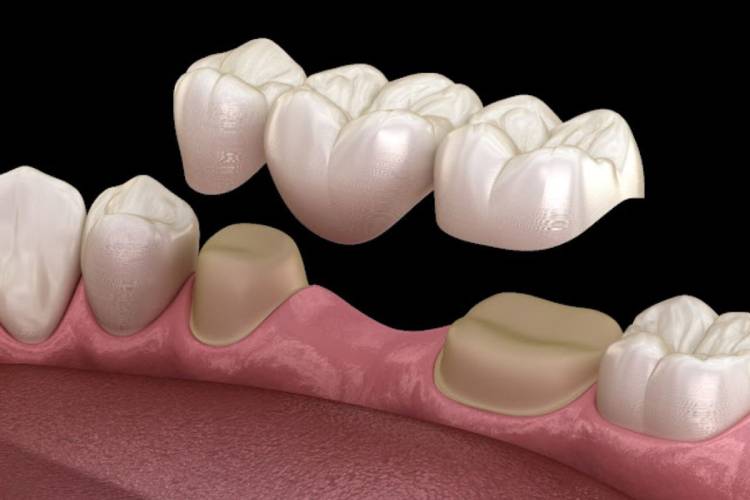
A dental bridge replaces a missing tooth by anchoring an artificial tooth between two neighboring teeth. These adjacent teeth are reshaped to support the restoration, which is then cemented in place.
Traditional fixed bridges can restore chewing function and appearance quickly, but they rely heavily on the health and strength of surrounding teeth to remain stable over time.

Longevity and Durability Over Time
One of the most important factors in implants vs bridges is how long each option typically lasts under normal use.
Lifespan of Dental Implants
Dental implants are widely regarded as one of the longest-lasting tooth-replacement options available. With proper care, implants can last decades and, in many cases, a lifetime. Their success depends on bone quality, oral hygiene, and regular professional monitoring.
At King West Dentistry, implant planning is supported by thorough diagnostics and long-term treatment strategies designed to support oral health longevity rather than short-term fixes.
Lifespan of Dental Bridges
Dental bridges generally have a shorter lifespan than implants, often lasting 7 to 15 years. Over time, wear, decay under the bridge, or damage to supporting teeth may require replacement.
Bridges may fail sooner if oral hygiene is challenging or the supporting teeth weaken, increasing long-term maintenance needs and the risk of additional procedures.

Impact on Oral Health
Beyond durability, it’s essential to consider how each option affects overall oral health over time.
Bone Preservation and Jaw Health
Dental implants help preserve the jawbone by replacing the missing tooth root and maintaining natural stimulation during chewing. This prevents the bone loss that commonly follows tooth loss.
Without root stimulation, bone resorption can occur, altering facial structure and compromising future tooth replacement options, sometimes necessitating tooth extraction in advanced cases.
Effect on Adjacent Teeth
Bridges require reshaping healthy adjacent teeth to support the restoration. This alteration can increase the risk of future complications, including decay or the eventual need for root canal treatment.
Implants, by contrast, stand independently and do not rely on neighboring teeth, helping preserve the natural structure of the surrounding dentition.
Read more: “Same-Day Crown and Bridge with CEREC Advanced Technology.”
Maintenance and Long-Term Care
Daily care and professional maintenance play a major role in long-term success for both options.
Cleaning and Care for Implants
Implants are cared for much like natural teeth, with brushing, flossing, and routine dental visits. Professional monitoring ensures early detection of gum inflammation or bone changes.
At King West Dentistry, implant patients benefit from preventive dental hygiene programs and regular dental exam appointments designed to protect long-term outcomes.
Cleaning and Care for Bridges
Bridges require more complex cleaning techniques, particularly underneath the artificial tooth. Food and plaque buildup in these areas increase the risk of decay and gum disease.
Floss threaders and specialized tools are often required, making long-term maintenance more demanding for some patients than with implants.
Not Sure Between Implants and Bridges? We Can Help
Not sure whether dental implants or bridges are the better long-term option for you? Contact King West Dentistry today to book a consultation and get expert, personalized guidance based on your oral health and goals.
Cost Comparison Over the Long Term
Cost is a common concern when comparing Implants vs bridges, but long-term value is just as important as initial cost.
Upfront vs Lifetime Cost
Bridges often have a lower upfront cost, making them appealing in the short term. However, the need for replacement, repairs, or additional procedures over time can increase overall expenses.
Implants typically cost more initially but often require fewer replacements, making them a cost-effective solution over the decades.
Value Over Time
When evaluating implants vs bridges long term, implants often provide better value due to their longevity and reduced need for retreatment. Fewer future procedures also mean less disruption to daily life and oral health.
Read more: “Dental Implants Healing.”
Which Option Is Better Long-Term?
There is no single answer for every patient, but long-term trends are clear when comparing implants vs bridges. Dental implants are often ideal for patients with good bone health who want a durable, independent solution, while bridges may still be appropriate when bone support is limited, or implants are not medically advisable.
In cosmetic cases, alternatives such as porcelain veneers may be discussed for surface-level concerns, while functional replacements, such as dentures, may be recommended when multiple teeth are missing.
Why Professional Evaluation Matters
Decisions about tooth replacement should never be made in isolation. Factors such as gum health, bite alignment, previous dental work, and overall oral condition all influence outcomes.
At King West Dentistry, treatment planning is based on real clinical data, advanced imaging, and patient-specific goals. This evidence-based approach supports informed decisions and long-term success.
Choosing the Right Long-Term Solution
Dental implants and bridges both restore function and appearance, but they differ significantly in long-term performance. Implants tend to last longer, preserve bone, and protect surrounding teeth, while bridges may require replacement and can impact adjacent teeth over time. The best option depends on oral health, budget, and individual needs, making professional evaluation essential for long-term success.
FAQ
1. Are dental implants better than bridges long-term?
In many cases, yes. Implants typically offer greater longevity, bone preservation, and independence from surrounding teeth.
2. Are bridges cheaper over time?
Although bridges cost less initially, replacement and maintenance can make them more expensive long term.
3. How do dentists decide between implants and bridges?
Dentists evaluate bone health, adjacent teeth, medical history, and patient goals during a comprehensive dental exam.
Considering dental implants or bridges, and not sure which option is right for you?
Have you gone through the decision process or received professional advice? Share your experience or questions in the comments; we’d love to hear your thoughts and help others make a more confident choice.
