One of the most common questions patients ask is the best age for dental implants. While many assume there is a strict age limit, modern dentistry shows that eligibility depends far more on oral health, bone condition, and overall medical stability than age alone.
Whether someone is a young adult dealing with early tooth loss or a senior looking for a long-term replacement solution, understanding how age affects treatment outcomes is essential. In this guide, we compare young adults and seniors to help you better understand when implants are most effective and what factors truly matter.
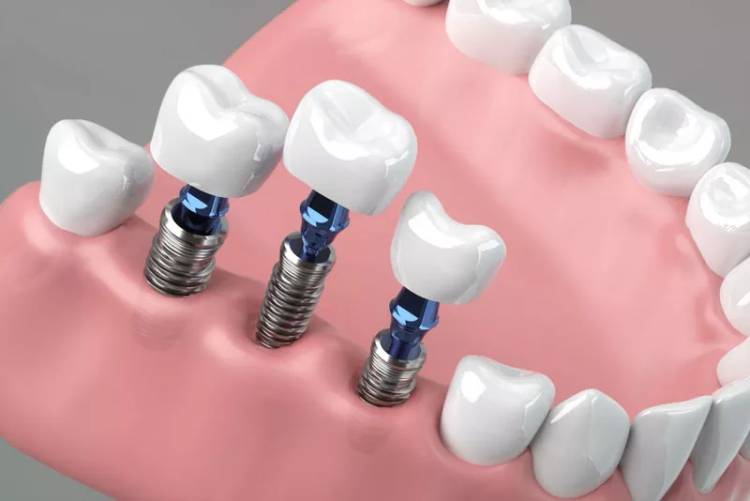
Is There an Ideal Age for Dental Implants?
There is no single “perfect age” for treatment. Instead, dentists evaluate biological readiness, including bone development, healing ability, and overall oral health. The best age for dental implants is determined by individual conditions rather than a number.
In the next sections, we’ll break down two key factors that influence timing: jaw development in younger patients and health stability in older adults.
Why jawbone growth matters in younger patients
In younger individuals, the jawbone may still be developing. Placing a dental implant too early can lead to misalignment over time as bone structure changes, which is why dentists typically wait until growth is complete before treatment.
Why overall health matters more than age
In older adults, successful treatment depends more on bone density, gum health, and healing capacity than age itself. Even seniors can achieve excellent results when conditions are stable and properly managed.
Dental Implants for Young Adults
Young adults experiencing tooth loss often seek long-term replacement options. Understanding timing and readiness is essential before proceeding with treatment.
Before exploring benefits and risks, it’s important to recognize that dentists evaluate bone maturity, oral hygiene habits, and long-term stability before recommending implants.
Minimum age requirements
Most patients become eligible for a dental implant after jaw growth is fully developed, typically around 18 years or older. However, each case is confirmed through clinical assessment.
Benefits for younger patients
Younger patients often heal faster and may experience stronger osseointegration, which supports long-term stability and success of the implant.
Risks of getting implants too early
If implants are placed before full bone development, it can lead to alignment issues or uneven bite changes. In such cases, temporary solutions like a fixed bridge may be considered until full maturity is reached.
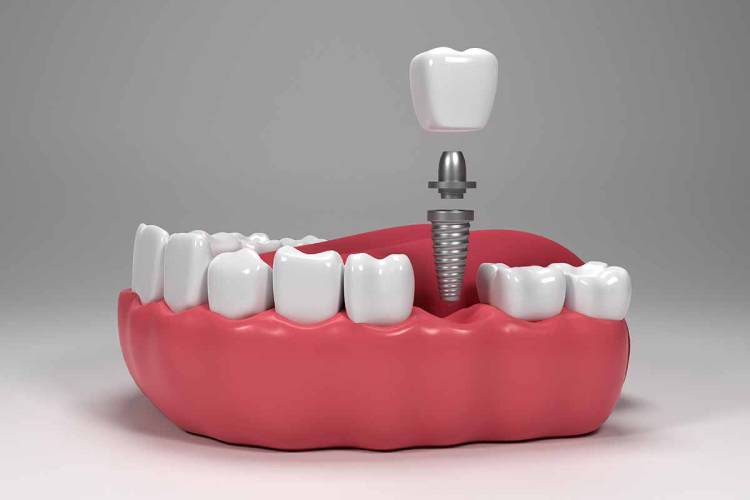
Dental Implants for Seniors
Older adults are often surprised to learn that age alone does not prevent treatment. Many seniors successfully restore function and aesthetics with implants.
Before reviewing specific factors, it’s important to understand that a proper health evaluation plays a major role in determining suitability.
Are you ever too old for implants?
There is no upper age limit for a dental implant as long as the patient has adequate bone support and overall medical stability. Age alone is not a restriction.
Health considerations for seniors
Conditions such as diabetes or osteoporosis may affect healing, but with proper management, many seniors still achieve successful outcomes with modern implant techniques.
Success rates in older patients
Studies show that implant success rates remain high in seniors when oral hygiene is maintained and conditions like gum disease are controlled effectively.
Read more: “Dental Implants Healing.”
Young Adults vs Seniors: Key Differences
While both groups can benefit from implants, their treatment experiences may differ based on biological and lifestyle factors.
Understanding these differences helps patients set realistic expectations about recovery, stability, and long-term results.
Healing and recovery time
Younger patients generally experience faster healing, while seniors may require slightly longer recovery depending on their healing capacity and medical conditions.
Bone density and implant stability
Bone density tends to be higher in younger individuals, which can improve initial stability. However, seniors with healthy bone structure can still achieve strong results.
Long-term outcomes
When properly maintained, both groups can enjoy long-lasting results, although lifestyle habits and oral care play a major role in long-term success.
Read more: “Are Dental Implants Worth the Cost Compared to Dentures?”
Factors That Matter More Than Age
Age is only one part of the equation. Dentists focus more on clinical and lifestyle factors when determining eligibility.
Before exploring subtopics, it’s important to understand that a comprehensive evaluation is always required for safe and effective treatment planning.
Bone density and jaw health
Strong jawbone support is essential for implant success. If bone loss is present, procedures like grafting may be needed before placement.
Gum health and oral hygiene
Healthy gums reduce the risk of infection and improve implant stability. Poor oral hygiene can compromise even the best treatment plans.
Medical conditions and lifestyle
Conditions such as smoking, uncontrolled diabetes, or poor oral care habits can affect healing and long-term outcomes more than age itself.
Read more: “Top 5 Benefits of Dental Implants.”
When Dental Implants May Not Be Recommended
While implants are highly successful, there are certain situations where treatment may need to be delayed or modified.
Understanding these limitations helps ensure patient safety and long-term success.
Ongoing bone growth
Younger patients with incomplete jaw development are typically advised to wait before receiving a dental implant.
Severe health conditions
Uncontrolled systemic diseases can interfere with healing and increase the risk of complications after oral surgery.
Poor oral hygiene habits
Without proper care, even advanced restorations such as a dental crown or implant can fail over time.
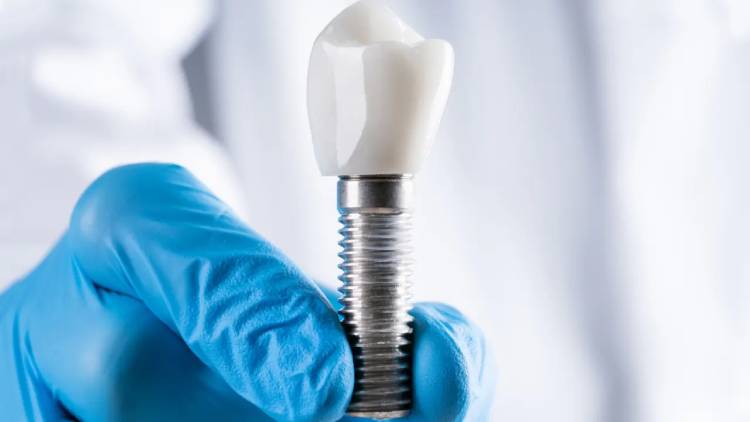
How to Know If You’re Ready for Dental Implants
Determining readiness involves a detailed clinical evaluation rather than an age check. Dentists assess multiple health indicators before recommending treatment.
Before reviewing the steps, it’s important to understand that imaging and diagnostics play a key role in planning.
Professional evaluation process
A dentist performs a full exam and cleaning to evaluate oral health and identify any existing concerns that may affect treatment.
Imaging and treatment planning
X-rays and scans help assess bone structure, ensuring proper implant placement and long-term stability.
Alternative options if not eligible
If implants are not suitable, alternatives like dentures or other restorative solutions may be recommended based on individual needs.
Not Sure About Your Implant Age? Book a Consultation
At King West Dentistry, we help patients determine if they are suitable for dental implants through personalized evaluations and advanced diagnostic care. Whether you’re unsure if you’re too young or too old for treatment, our team is here to guide you with clear answers and tailored treatment options every step of the way.
Patient Care and Service Information
At King West Dentistry, we provide comprehensive dental services, including restorative, preventive, and implant-based treatments tailored to each patient’s needs. This content is intended for educational purposes only and should not replace professional dental advice, diagnosis, or treatment. Every patient is unique, and we recommend a full clinical consultation to determine the most appropriate care plan.
Conclusion
The best age for dental implants is not defined by a number but by bone development, oral health, and overall medical condition. While young adults must wait until jaw growth is complete, seniors can still achieve excellent results when health factors are favorable. A personalized evaluation is the most reliable way to determine the right timing for treatment.
According to clinical evidence published by the National Institutes of Health, implant success is primarily influenced by factors such as bone quality, healing capacity, and systemic health rather than chronological age alone, reinforcing that age by itself is not a limiting factor for treatment eligibility.
FAQ
1. What is the minimum age for dental implants?
Most patients qualify after age 18 when jaw growth is complete. However, evaluation depends on individual development and oral health conditions.
2. Can seniors safely get dental implants?
Yes, seniors can safely receive implants if they have good bone support and controlled medical conditions. Age alone is not a limitation.
3. Do implants last longer if you get them younger?
Not necessarily. Longevity depends more on oral hygiene, lifestyle, and maintenance than the age at which they are placed.
4. Is there an upper age limit for dental implants?
No, there is no strict upper age limit. Suitability depends on overall health and bone condition rather than age.
Have questions about the best age for dental implants, or are you unsure if you’re a suitable candidate? Share your thoughts or concerns in the comments below. Our team is here to help you better understand your options and make an informed decision.